Snakes are a natural part of the ecosystem and are commonly seen around homes, farms, gardens, and residential areas—especially in regions like Rajasthan where open land, rodents, and warm weather attract them.
While seeing a snake can be frightening, the truth is that most snakes found around homes are non-venomous and not dangerous to humans. However, identifying them correctly is important because some venomous species also live near human settlements.
If you encounter a snake near your house, the safest step is to stay calm and call a professional snake rescue service rather than trying to handle it yourself. Many people search online for snake rescue near me or snake catcher near me to get trained experts who can safely relocate the snake without harming it.
Below are five common snakes people frequently see around homes and whether they pose any danger.
1. Rat Snake (Indian Rat Snake)
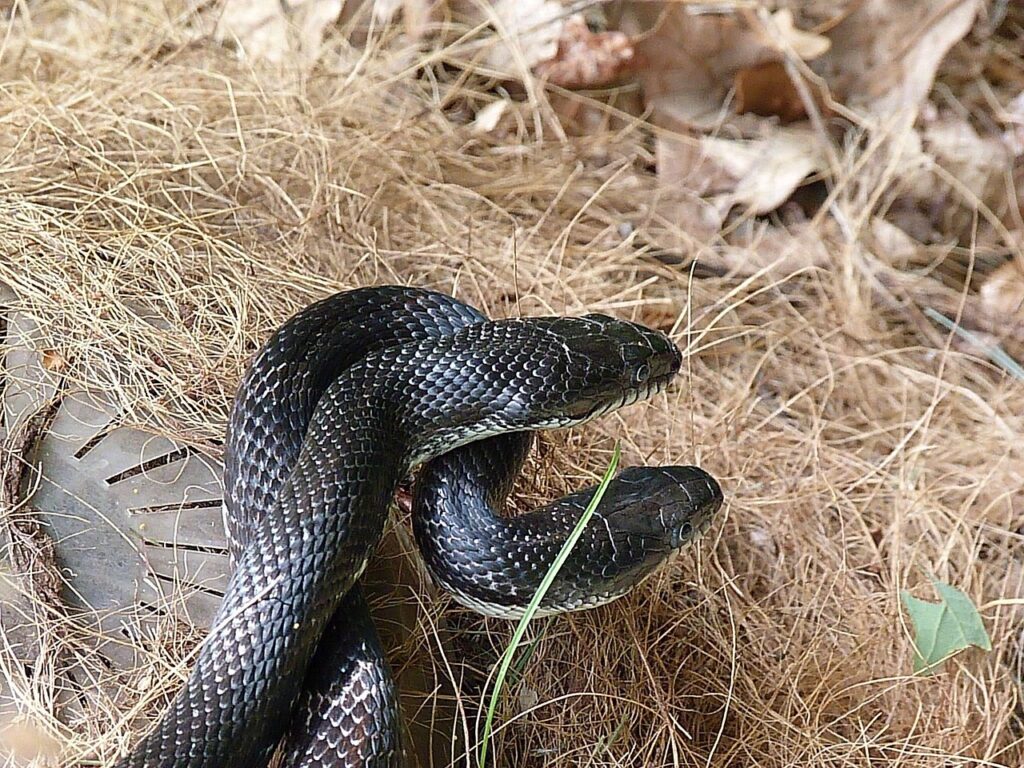
The Rat Snake is one of the most commonly spotted snakes around houses, farms, and storage areas.
Key Characteristics
Long and slender body
Yellow, brown, or black coloration
Can grow up to 6–7 feet long
Very fast and active during daytime
Are They Dangerous?
No. Rat snakes are non-venomous and harmless to humans.
They actually help control rats, mice, and other pests, which is why they often appear near homes or grain storage areas.
Although they may hiss or strike when threatened, they do not possess venom.
2. Common Krait
The Common Krait is one of India’s highly venomous snakes and should be treated with extreme caution.
Key Characteristics
Shiny black body with thin white bands
Smooth scales
Usually active at night
Often hides in dark places, piles of wood, or debris
Are They Dangerous?
Yes. The Common Krait is highly venomous and responsible for many snakebite incidents in India.
If one is seen near a house, never attempt to handle it. Instead, contact a trained snake catcher Jaipur professional who can safely remove and relocate it.
3. Checkered Keelback (Water Snake)
The Checkered Keelback is often mistaken for venomous snakes because of its pattern.
Key Characteristics
Brown or olive body with black checkered markings
Found near water sources such as drains, ponds, and gardens
Medium size
Are They Dangerous?
No. This snake is non-venomous and harmless to humans.
It primarily feeds on fish, frogs, and small aquatic animals, which is why it is commonly seen near water bodies.
4. Spectacled Cobra (Indian Cobra)
The Indian Cobra is one of the most recognizable snakes in India.
Key Characteristics
Hood that spreads when threatened
Distinct “spectacle” marking on the back of the hood
Usually brown, black, or yellowish
Are They Dangerous?
Yes. The Indian Cobra is venomous and should never be approached.
If you see one in or around your home, immediately maintain distance and contact a professional snake rescue Jaipur team to remove it safely.
5. Wolf Snake
The Common Wolf Snake is frequently mistaken for the venomous krait because of its similar appearance.
Key Characteristics
Dark brown or black body with thin white bands
Smaller size than kraits
Active during the night
Are They Dangerous?
No. Despite its appearance, the wolf snake is non-venomous and harmless.
It mainly feeds on lizards and small reptiles.